
From industrial supply chains to niche B2B marketplaces, these case studies showcase how buyers entered, transformed, and scaled digital commerce businesses across high-growth sectors.
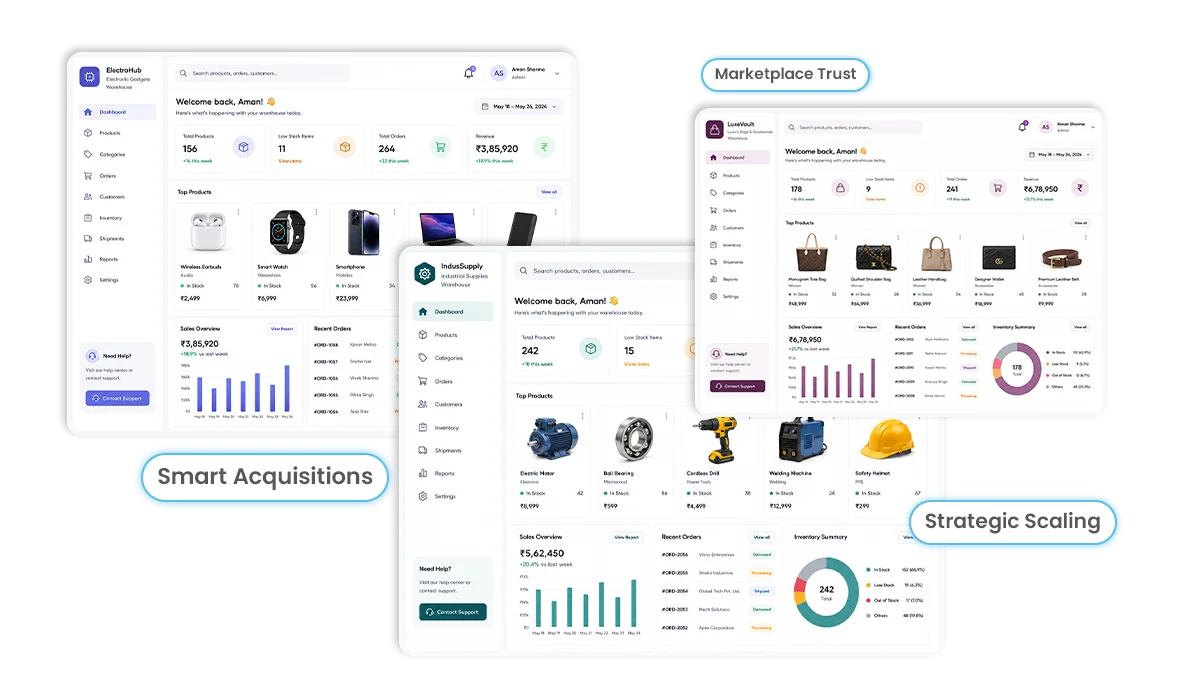
A corporate buyer was searching for a stable procurement-based business but was limited by seasonal volatility and unpredictable revenue models in most listings.
They acquired a corporate office supplies store with recurring enterprise demand and long-term contracts.
Outcome:
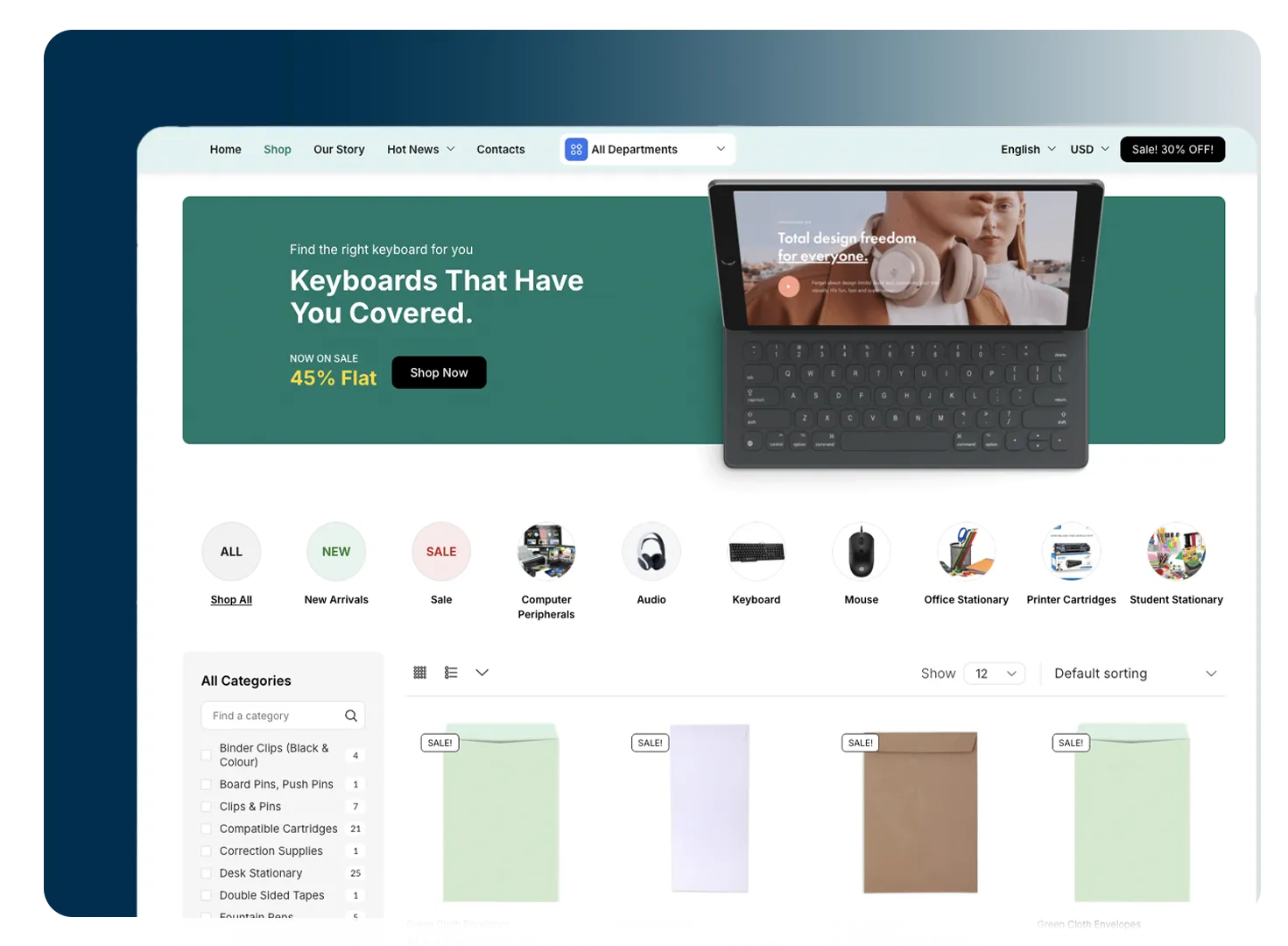
A tech distributor was looking for a reliable electronics supply business but struggled with inventory-heavy models that lacked demand stability.
They acquired a demand-driven components store and optimized inventory flow using data-based purchasing.
Outcome:
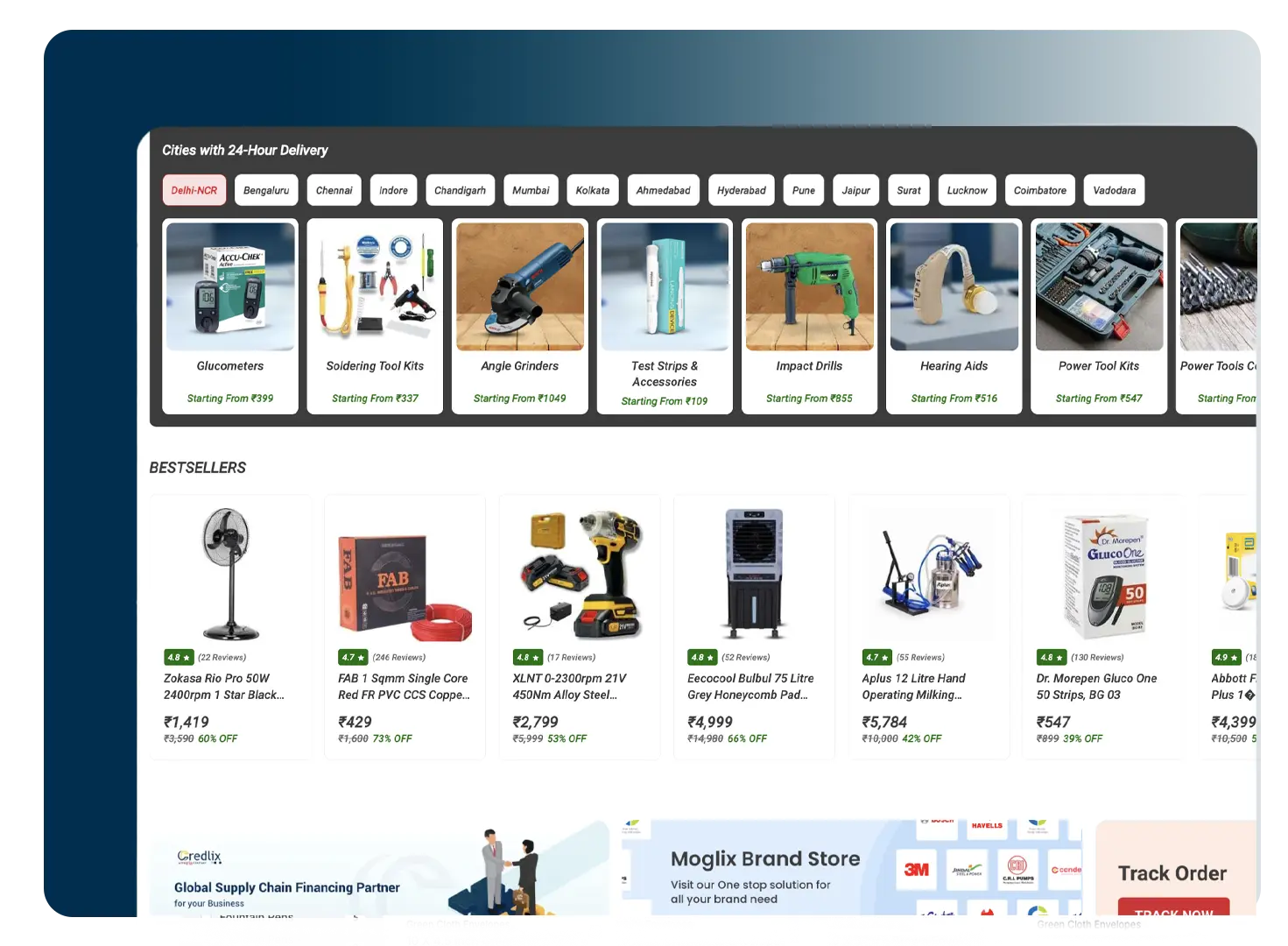
A real estate supplier wanted to expand digitally but faced difficulty identifying scalable construction supply businesses with verified contractor networks.
They acquired a construction materials eCommerce store and improved supply consistency across regions.
Outcome:
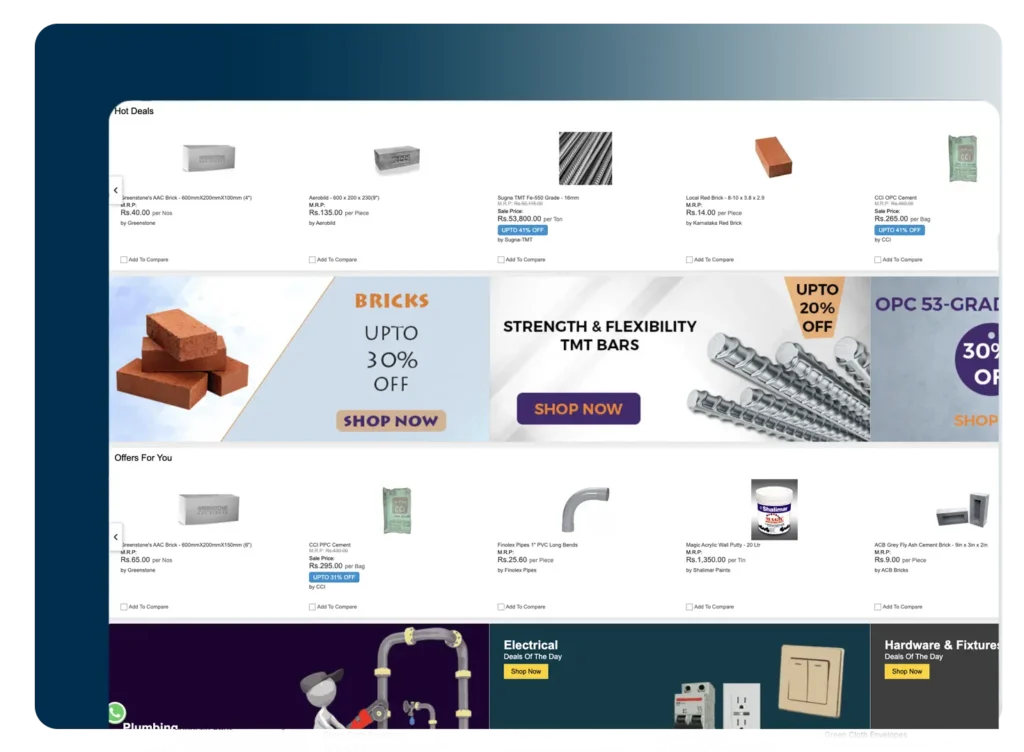
A buyer entering the auto aftermarket segment required more effort to identify genuine revenue-driven businesses due to inflated traffic and low-quality listings.
They acquired a verified spare parts store with active dealership relationships and expanded into high-demand categories.
Outcome:
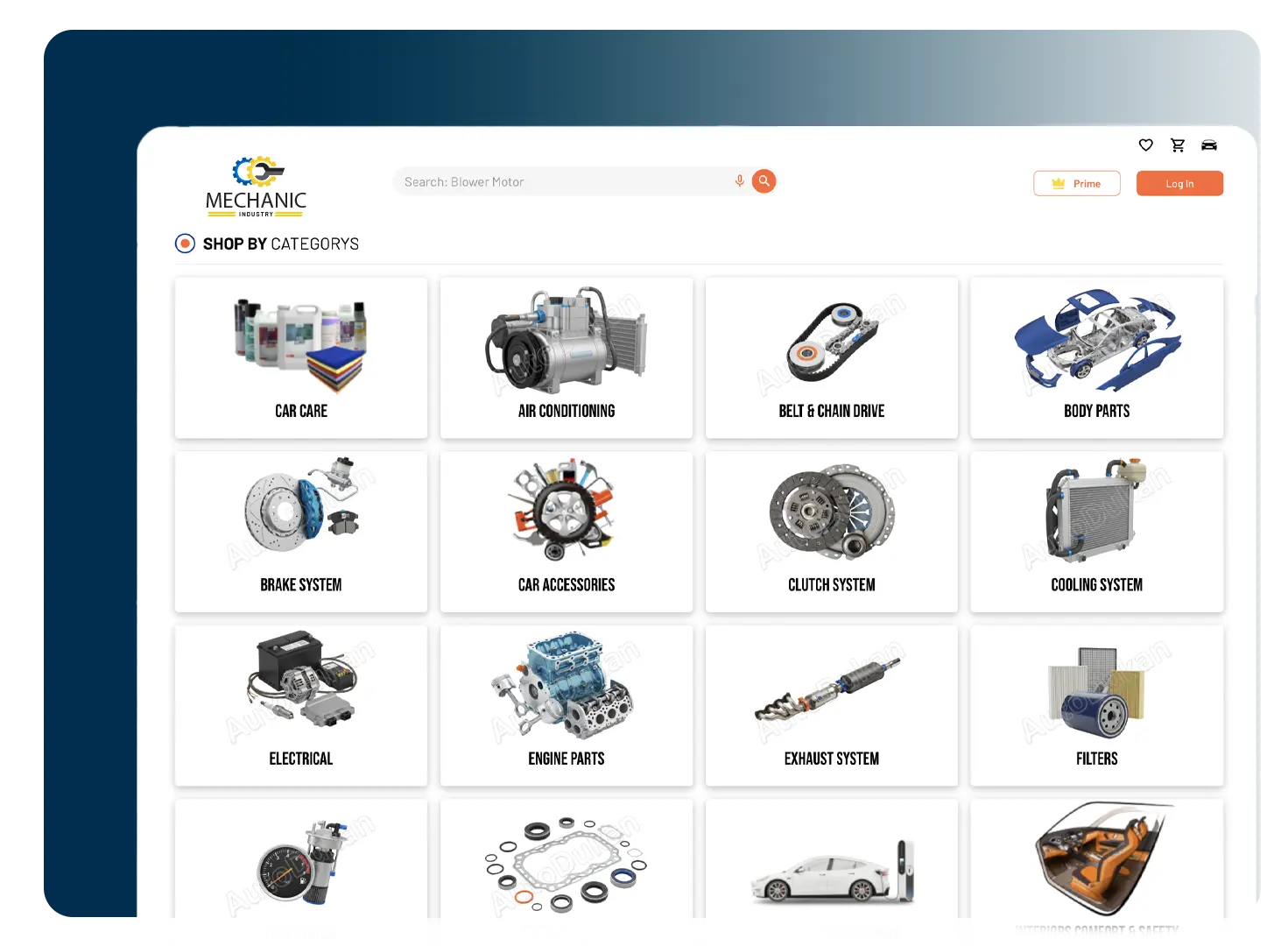
A distribution-focused buyer was searching for a scalable FMCG business but found most opportunities lacked distributor retention and repeat order structure.
They acquired a wholesale FMCG ecommerce platform and strengthened distributor onboarding systems.
Outcome:
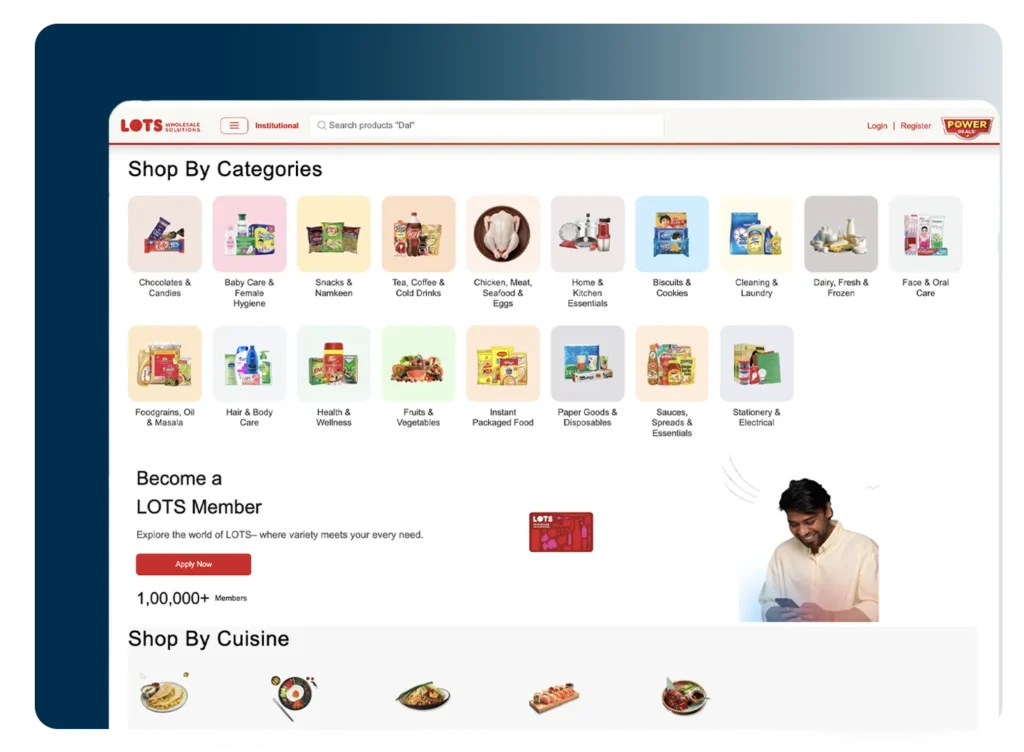
A manufacturing-sector buyer lacked real revenue clarity or verified supplier data. Most opportunities looked promising on paper but failed due diligence.
Eventually, they acquired a structured industrial supplies ecommerce store with existing bulk buyers and stable demand cycles.
Outcome:
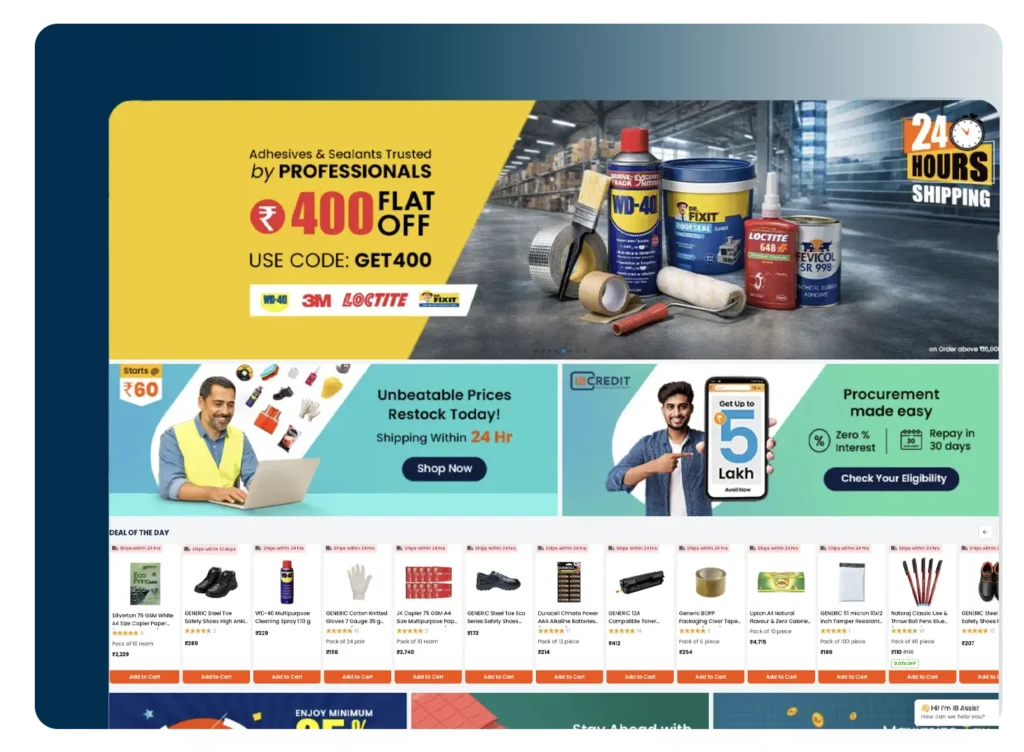
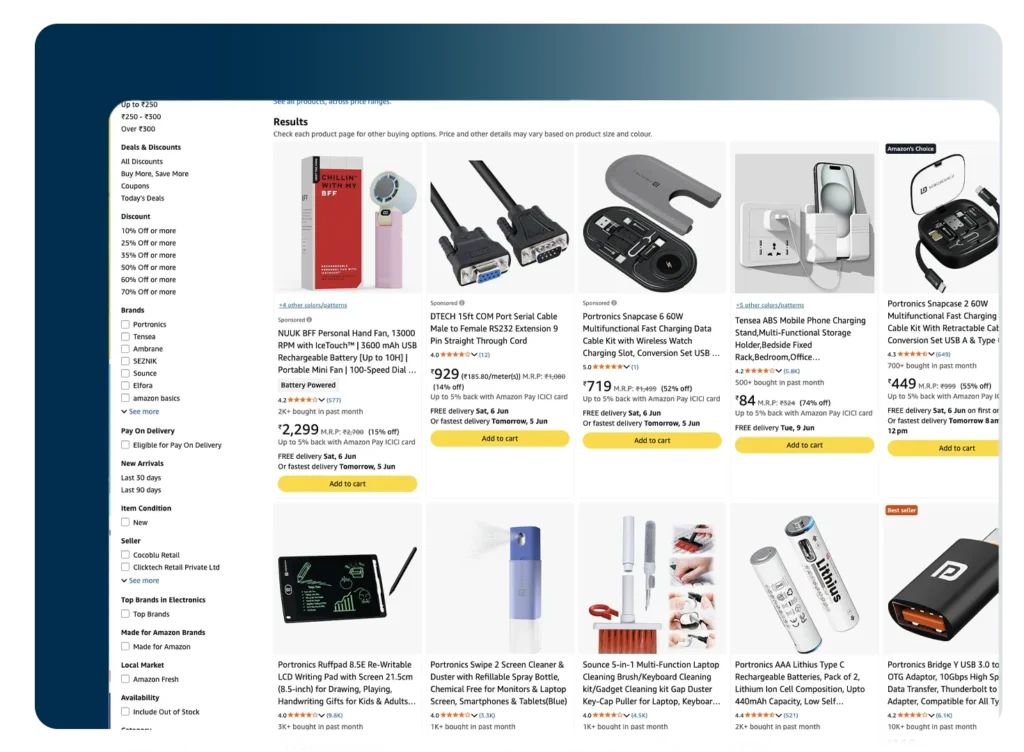
A tech-focused buyer wanted to enter the fast-moving gadgets segment but had difficulty to find businesses with stable demand rather than trend-based spikes and inflated traffic metrics. Most listings looked profitable only during short product cycles.
They acquired a gadgets ecommerce store with an existing catalog of high-demand accessories and streamlined supplier relationships, then focused on improving product rotation speed and pricing strategy.
Outcome:
A real estate-linked investor was exploring furniture ecommerce opportunities but found most businesses too dependent on seasonal demand and large inventory risk.
They acquired a furniture B2B ecommerce store with existing contractor and interior designer clients, then optimized catalog positioning toward project-based bulk orders instead of one-time retail sales.
Outcome:

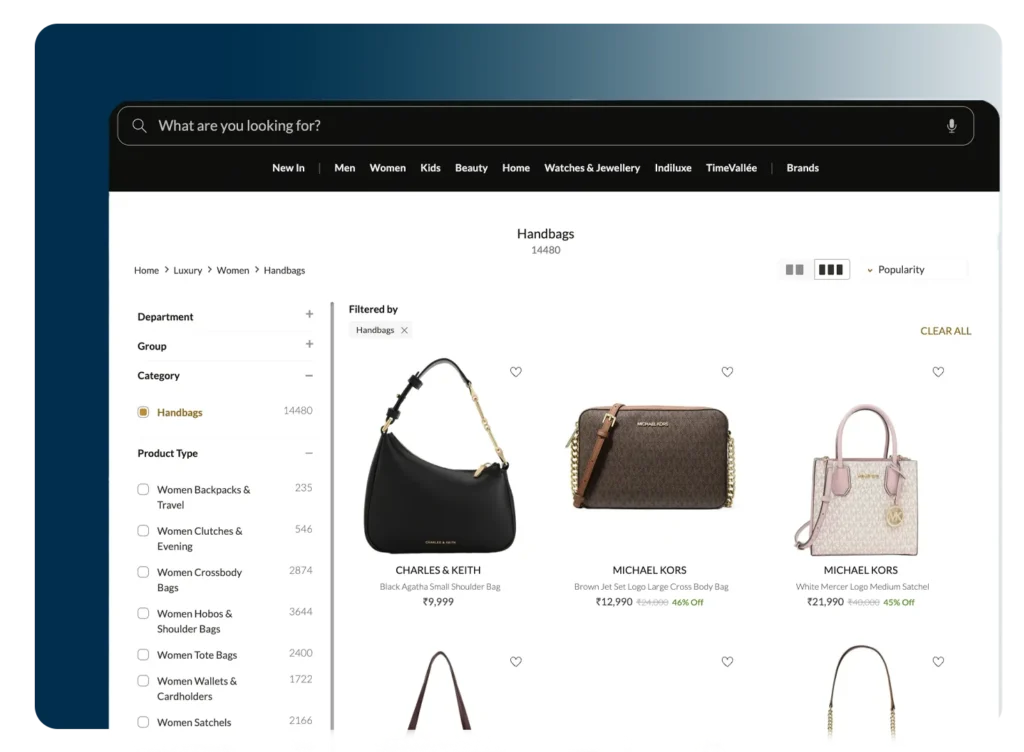
A fashion investor aimed to enter the premium accessories segment but faced challenges to identify authentic luxury-focused ecommerce businesses with verified sourcing and stable reseller networks.
They acquired a luxury bags B2B ecommerce store supplying boutiques and resellers, then strengthened brand positioning and improved supply chain verification for high-ticket buyers.
Outcome:
Every business is carefully reviewed for real revenue, operational stability, and long-term scalability before it ever reaches you. No noise, no speculation, and no low-quality listings, only ecommerce businesses already generating traction and ready to scale.

Categories with durable demand and repeat purchase potential.

Measurable improvement within 2–9 months of acquisition.
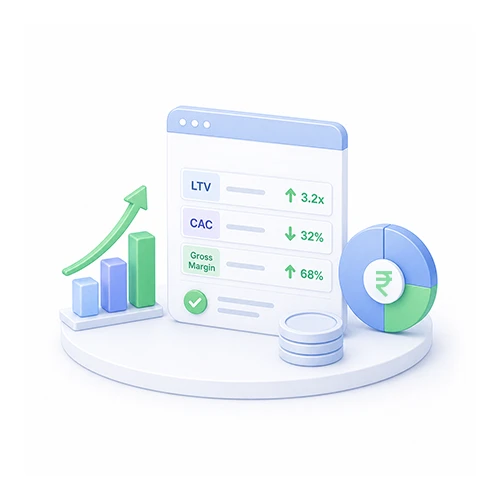
Healthy margins, low CAC, and predictable LTV.

Proven ability to increase traffic and sales without linear cost growth.

Accurate reporting and easy-to-audit performance data.
If you are serious about buying an ecommerce business alongside a team that knows how to improve and operate businesses — book a call.